
Designing Private Outdoor Spaces with Style and Functionality
Creating a backyard that feels secluded and comfortable is increasingly important for homeowners. A backyard should be a private oasis—a place to relax, entertain, or enjoy quiet moments. Without proper privacy measures, however, your outdoor activities can feel exposed to neighbors, passersby, or street traffic. Achieving effective backyard privacy requires a combination of thoughtfully designed structures, landscaping, and flexible solutions tailored to your unique property layout.
1. Identify Privacy Needs
Privacy has multiple dimensions that should be assessed before starting any project:
- Visual Privacy: Preventing unwanted lines of sight from neighboring properties or nearby streets.
- Auditory Privacy: Reducing noise from nearby traffic, conversations, or pets.
- Functional Privacy: Designing zones where you can dine, lounge, or entertain comfortably without feeling exposed.
By clearly defining your priorities, you can focus efforts where they matter most, rather than installing excessive measures that make the space feel closed-off.
2. Structural Solutions for Immediate Privacy
One of the fastest ways to secure privacy is through well-chosen architectural elements:
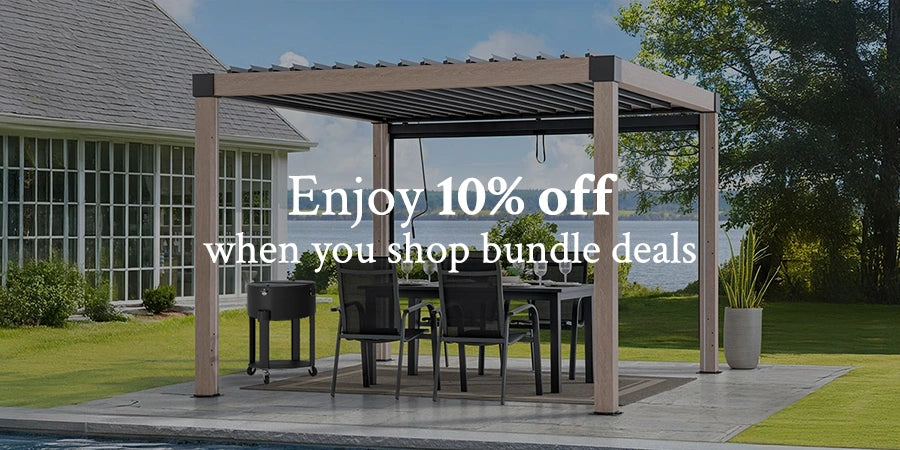
- SUNJOY Aluminum Louvered Pergola with Solar LED Lights & Drainage System (3.06m x 3.06m): Adjustable louvers let you control light, airflow, and privacy. Integrated solar LED lighting enhances evening usability while maintaining a sleek, modern aesthetic.
- SUNJOY 3.13m x 1.91m Metal Pergola with Wood Privacy Screen: Combines a durable metal frame with wood slats for visual obstruction and an intimate environment. Ideal for small patios or balcony areas.
- SUNJOY 3.6m x 3m Wall Mounted Gazebo with Curtain & Netting: Provides semi-enclosed protection with mosquito netting and adjustable curtains. Perfect for creating a flexible, private corner for dining or reading.
These structures offer instant visual and functional privacy and can be integrated with landscaping or other natural barriers to enhance seclusion.
3. Layout and Sightline Assessment
Proper placement is critical for maximizing privacy:
- Map Critical Sightlines: Sit in your favorite outdoor seating area and note where you are visible from neighboring properties or streets.
- Create Private Zones: Focus privacy structures around spaces where you spend the most time, such as dining or lounge areas.
- Layering for Depth: Combine pergolas, screens, and shrubs to create multiple visual layers that obscure sightlines naturally.
Strategically layering structures reduces the feeling of being enclosed while maintaining effective seclusion.
4. Landscaping and Natural Barriers
Plants complement structural solutions while adding greenery, texture, and aesthetic appeal:
- Vertical Gardening & Trellises: Climbing vines like clematis or ivy can fill gaps in sightlines. Movable raised beds with trellises add flexible green screens.
- Evergreen Hedges: Dense foliage provides year-round coverage and blocks wind or noise.
- Mixed Borders & Container Plants: Combine ornamental grasses, medium-height shrubs, and tall bamboo in large pots to create localized privacy screens.
Layered planting enhances both visual and sensory privacy, softening the hard lines of metal or wood structures.
5. Sensory Privacy
Visual privacy is only one aspect. Noise control and sensory barriers create a complete private experience:
- Water Features: Fountains, streams, or small waterfalls create white noise, masking external sounds and adding a calming ambiance.
- Textured Screens and Curtains: Decorative laser-cut metal screens or heavy outdoor fabrics provide adjustable auditory and visual privacy.
- Lighting Considerations: Use soft, warm lighting to reduce attraction for insects and create a secluded atmosphere.
Integrating sensory privacy improves comfort without altering the overall design aesthetic.
6. Flexible and Temporary Solutions
Not all privacy solutions need to be permanent:
- Retractable Awnings: Provide shade and adjustable overhead privacy.
- Outdoor Curtains: Weatherproof drapes can be tied back or closed depending on needs.
- Portable Screens: Can be repositioned for temporary gatherings or events.
These flexible solutions allow homeowners to adjust privacy based on seasonal needs, gatherings, or outdoor functions.
7. Seasonal Maintenance Practices
Sustaining backyard privacy requires consistent upkeep:
- Inspect pergola louvers, curtain fabrics, and gazebo netting annually.
- Trim hedges, vines, and shrubs to maintain dense coverage.
- Clean water features and check drainage systems.
- Adjust flexible screens and moveable structures as seasonal sun angles or activity areas change.
Consistent maintenance ensures long-term effectiveness of privacy measures.
8. Additional Tips for a Private Outdoor Space
- Evaluate and block key sightlines rather than attempting to wall off the entire yard.
- Create “hidden” zones rather than large enclosed areas for a cozy, inviting atmosphere.
- Combine natural, structural, and sensory elements for a multi-layered approach.
- Choose high-quality structures and materials for durability and long-term effectiveness.
9. Conclusion
Creating a private backyard requires combining structures, landscaping, and sensory strategies. Thoughtful layering of pergolas, gazebos, screens, and plantings can block visual and auditory intrusion while maintaining aesthetics. Incorporating flexible, seasonal solutions ensures privacy can be adapted to changing needs. With recommended SUNJOY products, homeowners can achieve a functional, stylish, and comfortable backyard that is both private and inviting, perfect for family gatherings, dining, or quiet relaxation.