
How to Protect Outdoor Furniture in Winter
Outdoor furniture is designed to live outside—but winter is its toughest test. Cold temperatures, moisture, frost, and strong winds can shorten the lifespan of even high-quality pieces if they are left exposed. The good news is that with the right strategy, you can protect your outdoor furniture through winter and keep it looking and performing like new.
This guide answers the most searched questions homeowners ask and explains practical, long-term solutions that focus on durability, stability, and smart protection.
Why Does Outdoor Furniture Suffer More Damage in Winter?
Winter damage is not caused by cold alone. The real problem is moisture combined with temperature changes.
Common issues include:
-
Freeze–thaw cycles that crack finishes
-
Prolonged dampness that leads to mould or rust
-
Wind-driven rain and debris that wear surfaces
-
Poor airflow that traps condensation
Without protection, furniture materials weaken gradually—even if damage is not immediately visible.
Should Outdoor Furniture Be Covered During Winter?
Yes, but covers must be used correctly.
Furniture covers are effective at:
-
Blocking direct rain and snow
-
Reducing UV exposure on clear winter days
-
Keeping debris off surfaces
However, covers placed on furniture that sits fully exposed can trap moisture underneath. Over time, this increases the risk of mildew and corrosion.
The most effective approach is using covers under a roofed structure, where airflow and dryness are maintained.
Is It Better to Store Outdoor Furniture Indoors?
Indoor storage is ideal, but not always realistic.
Indoor storage works best when:
-
Furniture is lightweight or foldable
-
You have a dry shed or garage
-
Cushions can be removed separately
For large lounge sets, dining tables, or fixed seating, moving everything indoors every winter is impractical. In these cases, permanent outdoor shelter is the more sustainable solution.
How Does a Gazebo Protect Outdoor Furniture in Winter?
A gazebo provides consistent, overhead protection that furniture covers alone cannot match.
Key benefits include:
-
Roof panels that block rain, snow, and frost
-
Reduced wind exposure that prevents movement and abrasion
-
Faster drying after wet weather
-
A stable environment that limits moisture buildup
A hardtop gazebo offers the highest level of winter protection and is designed to remain steady and reliable throughout the season.
Can a Pergola Protect Furniture During Winter?
Yes—but only if it includes the right features.
Pergolas protect furniture when they have:
-
A solid or adjustable roof
-
Proper water drainage
-
Optional side curtains or panels
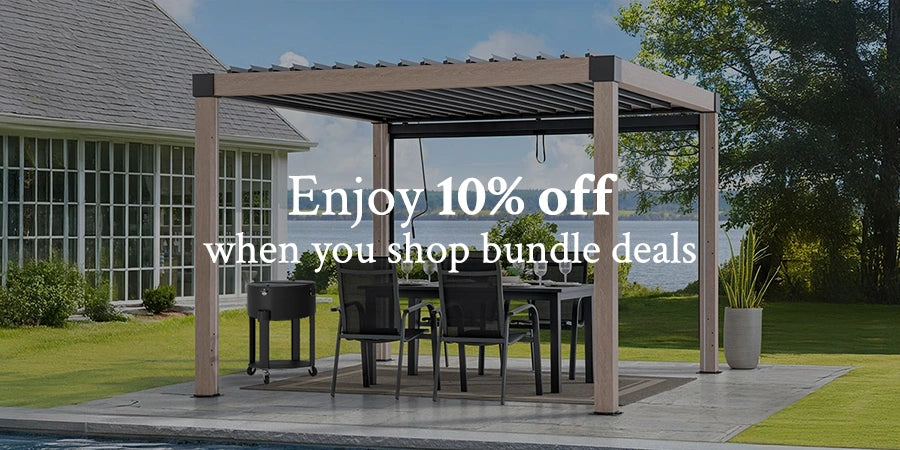
Open-top pergolas provide little winter protection. Roofed pergolas, especially aluminium designs, balance airflow with coverage and are well suited for year-round use.
Do Outdoor Cushions Need Extra Winter Protection?
Cushions are the most vulnerable furniture component.
Best practices include:
-
Removing cushions and storing them indoors whenever possible
-
Using breathable storage bags instead of sealed plastic
-
Avoiding direct ground contact
When cushions must remain outdoors, keeping them under a roofed shelter significantly reduces moisture exposure and mould risk.
How Can You Prevent Mould and Mildew on Outdoor Furniture?
Mould develops in cold, damp, low-airflow conditions.
To minimise risk:
-
Clean furniture thoroughly before winter
-
Allow furniture to dry completely before covering
-
Ensure airflow around all surfaces
-
Avoid airtight wrapping
Sheltered furniture dries faster after rainfall, which is critical for preventing mildew growth.
Is Wooden Outdoor Furniture Safe to Leave Outside in Winter?
Wood furniture can survive winter—but only with protection.
Without shelter, wood may:
-
Absorb moisture and swell
-
Crack as temperatures fluctuate
-
Lose protective coatings faster
A roofed structure dramatically reduces moisture exposure and helps preserve the natural strength and appearance of wood furniture.
How Does Shelter Extend the Life of Metal Furniture?
Metal furniture is damaged by persistent moisture, not cold itself.
Winter shelter helps by:
-
Limiting direct rain exposure
-
Reducing corrosion around joints and fasteners
-
Preventing debris accumulation
Powder-coated steel and aluminium furniture perform best when paired with overhead protection.
What Type of Shelter Offers the Best Winter Protection?
Not all shelters are equal.
| Shelter Type | Winter Protection Level |
|---|---|
| Hardtop Gazebo | Excellent |
| Roofed Pergola | Very Good |
| Soft-Top Canopy | Limited |
| No Shelter | Poor |
For long-term protection, steady, permanent structures outperform temporary solutions.
Why Investing in High-Quality Shelter Saves Money Over Time
Premium outdoor shelters differ in critical ways:
-
Stronger frames resist winter winds
-
Durable roofing prevents sagging or leaks
-
Proper drainage avoids water pooling
-
Stable anchoring ensures long-term performance
Rather than replacing furniture every few years, investing once in a durable, high-quality shelter protects your existing furniture and reduces ongoing maintenance costs.
Final Thoughts: Protect Furniture Once, Enjoy It for Years
Winter does not have to mean packing away your outdoor space. By combining smart covering, proper airflow, and a reliable shelter, you can protect outdoor furniture effectively—without constant moving or replacement.
Choosing steady, premium outdoor structures ensures your furniture remains protected, usable, and visually appealing through winter and beyond.