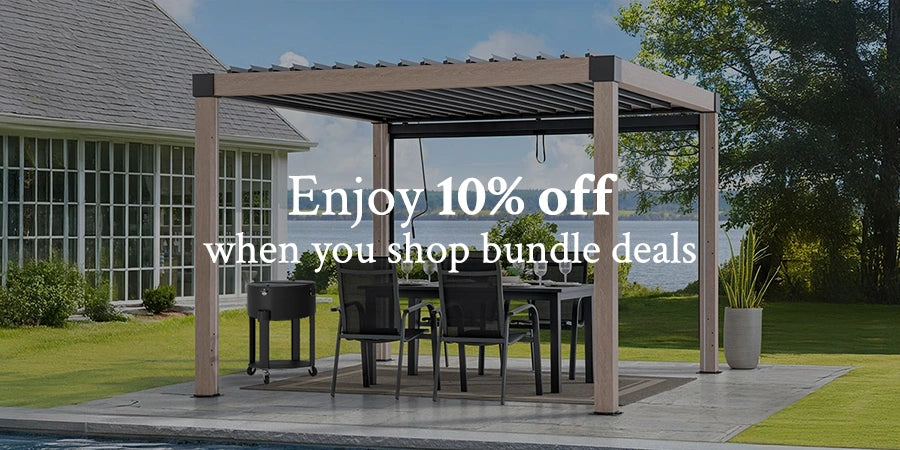

Outdoor Living Trends for 2026 You Can Start Using Now
Outdoor spaces in the UK are no longer treated as seasonal extras. By 2026, the garden is becoming a true extension of the home — a place to relax, host, work, and recharge throughout the year. Homeowners are investing more thoughtfully, prioritising durability, comfort, and designs that won’t feel outdated after one summer.
This guide explores the outdoor living trends shaping 2026, with a focus on long-term value rather than short-lived style. If you’re planning upgrades now, these ideas will help you build a garden that continues to work beautifully for years to come.
1. Outdoor Spaces Designed for Everyday Living, Not Occasional Use
One of the biggest shifts heading into 2026 is how often people expect to use their gardens. Instead of planning for a few warm weekends, homeowners are creating spaces suited to daily life.
This means:
-
Sheltered seating that works in light rain or wind
-
Defined zones for dining, relaxing, and hobbies
-
Layouts that feel as intentional as an indoor living room
Structures like gazebos and pergolas are being used less as decorative features and more as functional frameworks that anchor the entire garden design.
2. Weather-Ready Design Is No Longer Optional
UK weather has always been unpredictable, but by 2026, outdoor design is clearly adapting to that reality rather than fighting it.
Gardens are being planned with:
-
Fixed or adjustable roofing for rain control
-
Wind protection through side panels, screens, or curtains
-
Materials that resist rust, warping, and moisture
Instead of packing furniture away every few weeks, homeowners want setups that stay in place and remain usable with minimal effort.
3. Long-Term Materials Over Trend-Led Finishes
Another key trend is a move away from fast-changing finishes. Shiny trends fade quickly outdoors, especially under constant exposure to weather.
In 2026, durable materials are leading design decisions:
-
Powder-coated metals for structural strength
-
Treated wood that weathers naturally rather than peeling
-
Neutral tones that work with changing accessories
This approach allows gardens to evolve gradually, rather than needing a full redesign every couple of years.
4. Flexible Structures That Adapt to Changing Needs
Flexibility is becoming more valuable than size. Many UK gardens are compact, and homeowners want structures that serve more than one purpose.
Common uses include:
-
Sheltered dining areas that convert into lounge spaces
-
Covered zones that protect outdoor furniture year-round
-
Garden structures that double as hobby or storage shelters
Rather than building multiple separate features, people are choosing well-designed structures that adapt over time.
5. Comfort-First Outdoor Furniture Choices
By 2026, outdoor furniture is expected to feel just as comfortable as indoor seating. Thin cushions and rigid frames are being replaced with designs that support longer use.
Key preferences include:
-
Deeper seating with proper back support
-
Modular layouts that can be rearranged
-
Fabrics designed to handle moisture and temperature changes
Comfort is no longer a luxury feature — it’s the baseline expectation for outdoor living.
6. Lighting as a Functional Design Element
Outdoor lighting has moved beyond decoration. In modern garden planning, it plays a functional role in extending usable hours and defining space.
Trends shaping 2026 include:
-
Integrated lighting built into structures
-
Soft ambient light rather than harsh spotlights
-
Energy-efficient solutions that require minimal maintenance
Good lighting turns a garden from a daytime-only area into a space that feels welcoming well into the evening.
7. Outdoor Spaces That Support Wellbeing
Wellbeing-focused design is influencing outdoor living in subtle but important ways. Gardens are increasingly seen as places to decompress, not just entertain.
Design choices reflect this shift:
-
Calmer colour palettes
-
Reduced visual clutter
-
Seating arranged for conversation or quiet moments
The goal isn’t to impress guests — it’s to create a space that feels restorative for everyday life.
8. Smart Use of Shelter to Extend the Season
Rather than relying on temporary covers or seasonal setups, homeowners are using permanent shelter to stretch garden use across more months of the year.
This includes:
-
Roofed structures that protect furniture and flooring
-
Adjustable elements that respond to weather changes
-
Layouts that allow airflow without exposure
A well-placed shelter can dramatically increase how often a garden is used, without adding complexity.
9. Investing Once, Using for Years
Perhaps the most important trend heading into 2026 is a mindset shift. Instead of chasing new looks each season, homeowners are choosing fewer, better-built pieces.
This means:
-
Prioritising structure and stability over novelty
-
Choosing designs that age gracefully
-
Thinking in terms of years, not months
Outdoor living is becoming a long-term investment, not a recurring project.
Looking Ahead: Building a Garden That Grows With You
The outdoor living trends shaping 2026 aren’t about dramatic reinvention. They’re about smarter choices — materials that last, designs that adapt, and spaces that genuinely improve daily life.
By focusing on shelter, comfort, and durability, UK homeowners are creating gardens that don’t just look good in photos, but work reliably through changing seasons and lifestyles.
A future-ready garden isn’t built around trends. It’s built around how you actually live.