
Why Backyard Shade Is the Key to Comfortable Garden Living
In the UK, creating a comfortable backyard isn’t about blocking relentless heat—it’s about managing changeable weather. One moment it’s bright and warm, the next it’s breezy or lightly raining. This unpredictability is exactly why thoughtful shade solutions matter.
Backyard shade in the UK isn’t just a summer accessory. Done properly, it becomes the foundation of comfortable outdoor living—helping you use your garden more often, for longer periods, and across more months of the year.
This guide explains how to create backyard shade that actually improves comfort, focusing on structure, placement, flexibility, and everyday usability.
1. Start With the Reality of UK Weather, Not Assumptions
Many outdoor setups fail because they are designed for climates that don’t match the UK. Fixed, heavy shade meant for intense sun can feel dark and restrictive, while minimal shade may be useless when light rain or wind appears.
Effective backyard shade in the UK should:
Soften direct sunlight without blocking all light
Allow airflow to prevent damp, stale conditions
Offer some protection from light rain and wind
This is why adjustable or semi-open structures tend to perform better than fully enclosed solutions.
2. Use Structure to Define Comfort, Not Just Shade
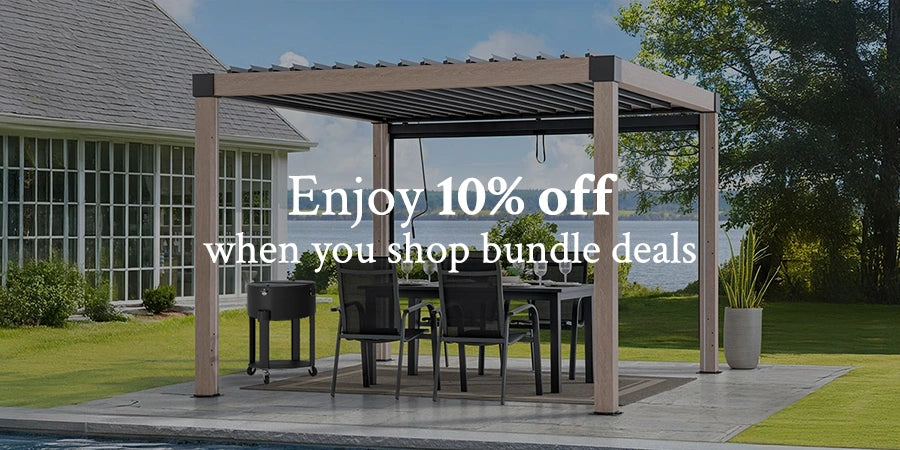
Shade works best when it also defines space. A pergola or gazebo does more than reduce glare—it creates a destination in the garden.
Once a shaded zone is established:
Seating naturally feels more inviting
Outdoor dining becomes more practical
The space feels intentional rather than temporary
Structures give psychological comfort as much as physical comfort. Even on cooler days, people are more likely to sit outdoors when the space feels sheltered and planned.
3. Choose Adjustable Shade for Everyday Flexibility
In the UK, fixed shade often becomes a compromise. Adjustable shade, on the other hand, adapts to the day rather than forcing you to adapt to it.
Options that work particularly well include:
Pergolas with adjustable canopies
Gazebos with curtains or side panels
Structures that allow partial opening
These designs let you respond to:
Morning light versus afternoon glare
Calm days versus breezy evenings
Changing temperatures throughout the day
Flexibility is what turns a shaded area into a comfortable living space rather than a rarely used feature.
4. Balance Shade With Natural Light
Comfortable outdoor living doesn’t mean darkness. In the UK, maintaining natural light is just as important as blocking it.
Good shade design should:
Reduce harsh brightness while keeping the space open
Avoid heavy, opaque roofing that blocks daylight
Maintain a visual connection to the garden
This balance makes shaded areas feel welcoming even when temperatures are mild—a common scenario in UK gardens.
5. Layer Comfort Beyond the Shade Itself
Shade alone doesn’t create comfort. It works best as part of a layered approach.
Consider adding:
Cushioned seating that supports longer stays
Outdoor rugs to reduce cold underfoot
Wind-buffering elements like curtains or screens
These additions help the space feel usable even when conditions aren’t perfect. Comfort encourages use, and use is what justifies the investment.
6. Think About Orientation and Placement
Where shade is placed matters as much as what kind of shade you choose.
In many UK gardens:
South-facing areas need adjustable shade rather than permanent cover
West-facing spaces benefit from afternoon glare control
Sheltered corners feel warmer and more comfortable
Placing shade structures where people already gravitate—near doors, patios, or dining areas—ensures they are actually used rather than admired from a distance.
7. Plan for Multi-Season Living, Not Just Summer
The most comfortable backyards are not designed for one season. In the UK, extending outdoor use into spring and autumn dramatically increases value.
Shade structures that support:
Curtains to block cool winds
Lighting for early evenings
Compatibility with heaters or fire features
allow gardens to stay active well beyond peak summer. A shaded space that works across seasons becomes part of daily life, not just a fair-weather option.
8. Integrate Shade Into the Overall Garden Design
The best backyard shade solutions don’t look added on. They feel integrated.
This happens when:
Materials complement the home and garden style
Scale matches the space rather than overwhelming it
Shade structures align with existing paths and layouts
When shade is visually cohesive, it enhances comfort by making the space feel calm and balanced.
Where SUNJOY Fits Into Comfortable Backyard Living
SUNJOY’s approach to outdoor structures focuses on adaptability and everyday comfort, which aligns closely with the needs of UK gardens. Designs that prioritise airflow, adjustable coverage, and flexible accessories support real-life use rather than idealised weather conditions.
Instead of building for extremes, the focus is on usability across the wide range of conditions UK homeowners experience throughout the year.
Final Thought: Comfort Comes From Control
Creating backyard shade isn’t about blocking the sun completely—it’s about control. Control over light, airflow, shelter, and how the space responds to changing conditions.
When shade is designed with flexibility and comfort in mind, the garden becomes easier to use, more inviting, and far more rewarding. In the UK, that adaptability is what turns outdoor space into true outdoor living.
A comfortable backyard isn’t one that looks perfect—it’s one you actually want to spend time in.